The Devil Went Down to Utah...

The United States was united in hysteria during the Satanic Panic of the 1980s, but one state took things harder than the rest: Utah. Because of Utah's unique religious culture, it received an amplified dosage of hysteria. Understanding this unique chapter reveals how fear and misinformation can influence communities and justice systems.

The Roots of Satanic Panic in Utah
Utah’s Satanic Panic did not emerge in isolation. It was part of a national wave fueled by sensational media reports, books, and talk shows that warned of secret satanic cults abusing children. Utah’s strong religious culture, dominated by The Church of Jesus Christ of Latter-day Saints (LDS Church AKA Mormon Church), amplified and extended the craziness.
Utah had more families, more kids, more connections. Primary classes at Church, community leaders working with kids and youth. Religious leaders were also community leaders. Perhaps most of all, Utahns were more sympathetic to claims of recovered memories. They were more agreeable and often defaulted to taking the accusations at face value, before evidence was found ... or not found.
How the Panic Played Out in Utah
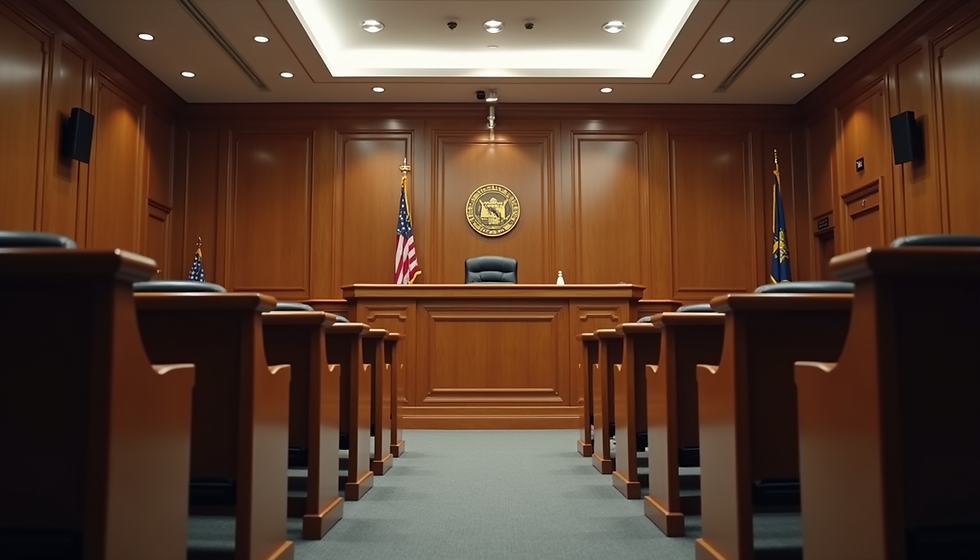
During the height of the panic, Utah saw numerous investigations and court cases involving claims of satanic ritual abuse. Many of these cases involved daycare centers, schools, and churches. Children were often the primary witnesses, and their testimonies were sometimes obtained through suggestive or leading questioning techniques.
A Utah woman named Lisa Yost mysteriously disappeared in the mid-80s. Her murder would go unsolved for over a decade, but that didn't stop mental patients from creating fantastic stories about her demise. The therapists reported the claims to law enforcement who spun their wheels chasing ghost stories. But for years between Yost's disappearance and the resolution of the investigation, fear and dread gripped the community.
The Role of Media and Community Leaders
Like everywhere else, local media in Utah played a significant role in spreading and sustaining the panic. Sensational headlines and dramatic coverage amplified fears. Community leaders, including some religious figures, sometimes reinforced the narrative by warning about satanic influences. The news reported harrowing details about molestation, rape, murder and cannibalism. Hearing the specifics only stirred up more accusations from new accusers.
A few rationalist voices called for caution and critical thinking. Some psychologists and legal experts began to question the validity of recovered memories and the reliability of children’s statements obtained under pressure. These voices would eventually assuage the hysteria in the rest of the country.

Lessons Learned and Lasting Impact
The Satanic Panic in Utah left a lasting mark on the community and legal system. It exposed weaknesses in how allegations of abuse were handled, especially when influenced by fear and cultural biases. Since then, Utah has improved protocols for interviewing children and evaluating claims to avoid similar miscarriages of justice.
The episode also serves as a reminder of the dangers of mass hysteria. It shows how a combination of cultural values, media influence, and flawed investigative methods can lead to widespread fear and harm innocent people.
Today, Utah’s experience is studied by sociologists, psychologists, and legal professionals as a case of how moral panic can uniquely manifest in a specific cultural context.

Utah Gets Stuck
Understanding Utah’s unique Satanic Panic helps communities recognize the importance of evidence-based investigations and resisting fear-driven narratives. It encourages vigilance against repeating mistakes where innocent lives are disrupted by unproven claims.
Yet somehow, Utah got stuck in the panic. While other states moved on, Utah struggled to sober up. The good lessons about evidence and the reliability of recovered memories would come around later, but for an extra decade Utah stewed in it all.
When Utah's panic was at its absolute zenith, the Glenn L. Pace Memo surfaced, adding a gallon of jet fuel to the last dying embers of the panic...

Comments